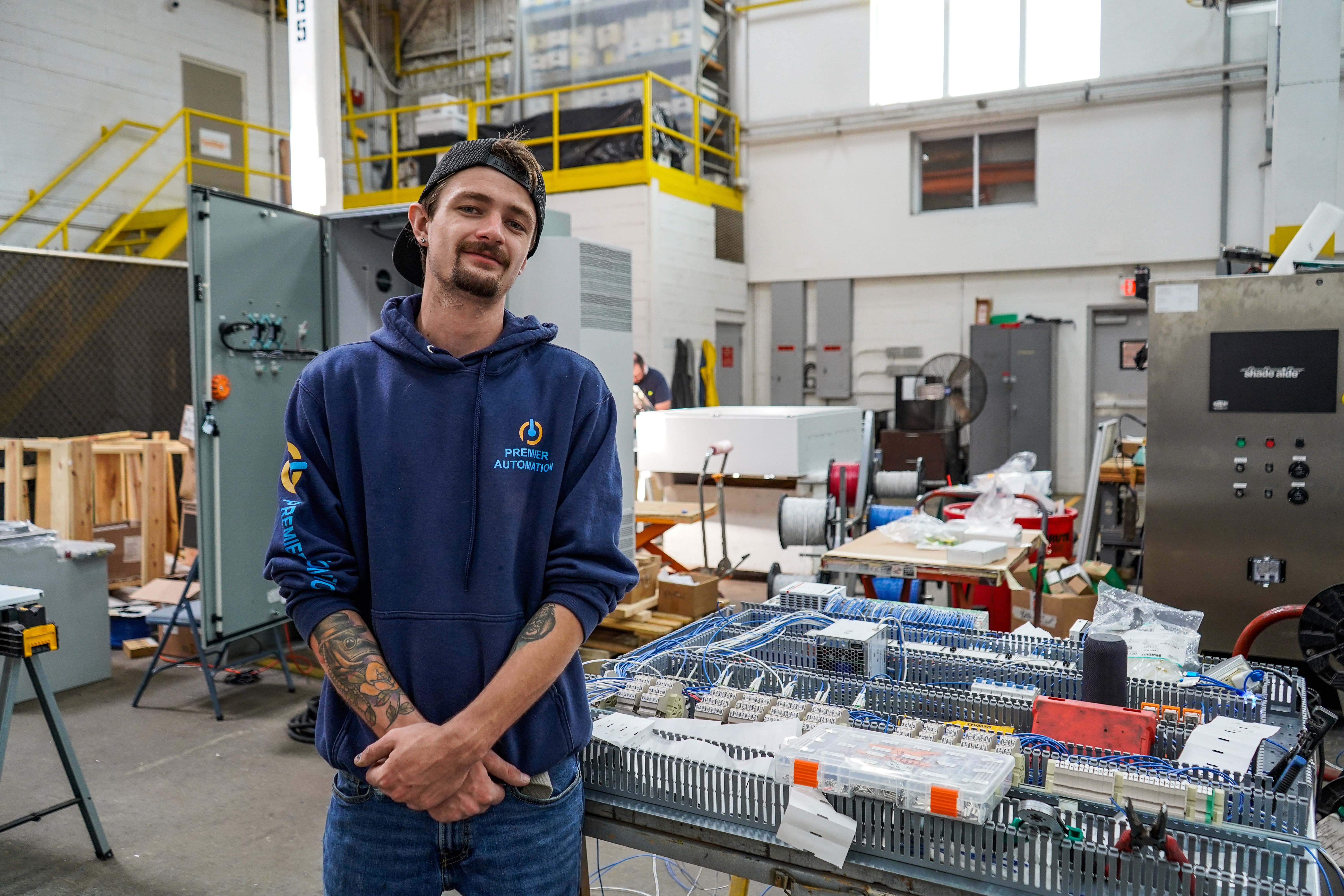
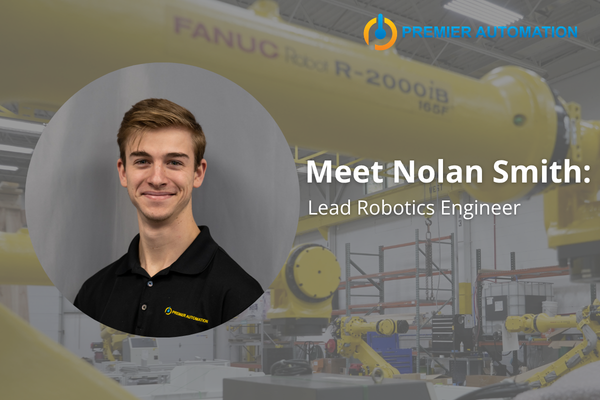
Manufacturers investing in robotic systems face more than a technology decision. They are navigating complex engineering requirements, undefined processes, and a long list of integration details that can make or break the outcome. We sat down with Nolan Smith, lead robotics engineer for Premier Automation, to talk through how Premier approaches that work and what manufacturers need to understand before they commit to a robotic investment.
Premier Automation Announces the Creation of Premier Labs: A Corporate Venture Studio Focused on Automation, Robotics, and AI
Monroeville, PA – October 9, 2024 – Premier Automation, a leader in engineered and automation solutions, announces Premier Labs, a corporate venture studio focused on creating companies that leverage proven automation, robotics, and artificial intelligence solutions to solve industrial challenges.
Thanksgiving Basket Donations
Premier Automation's Thanksgiving Basket Donation: Spreading Joy in Our Community
Premier Automation is committed to making a positive impact in our local community that extends far beyond innovation. Through initiatives such as the Thanksgiving basket donation drive organized by our dedicated committee, Premier Volunteers, we are honored to give back to our community and support those in need.
Premier Pro League
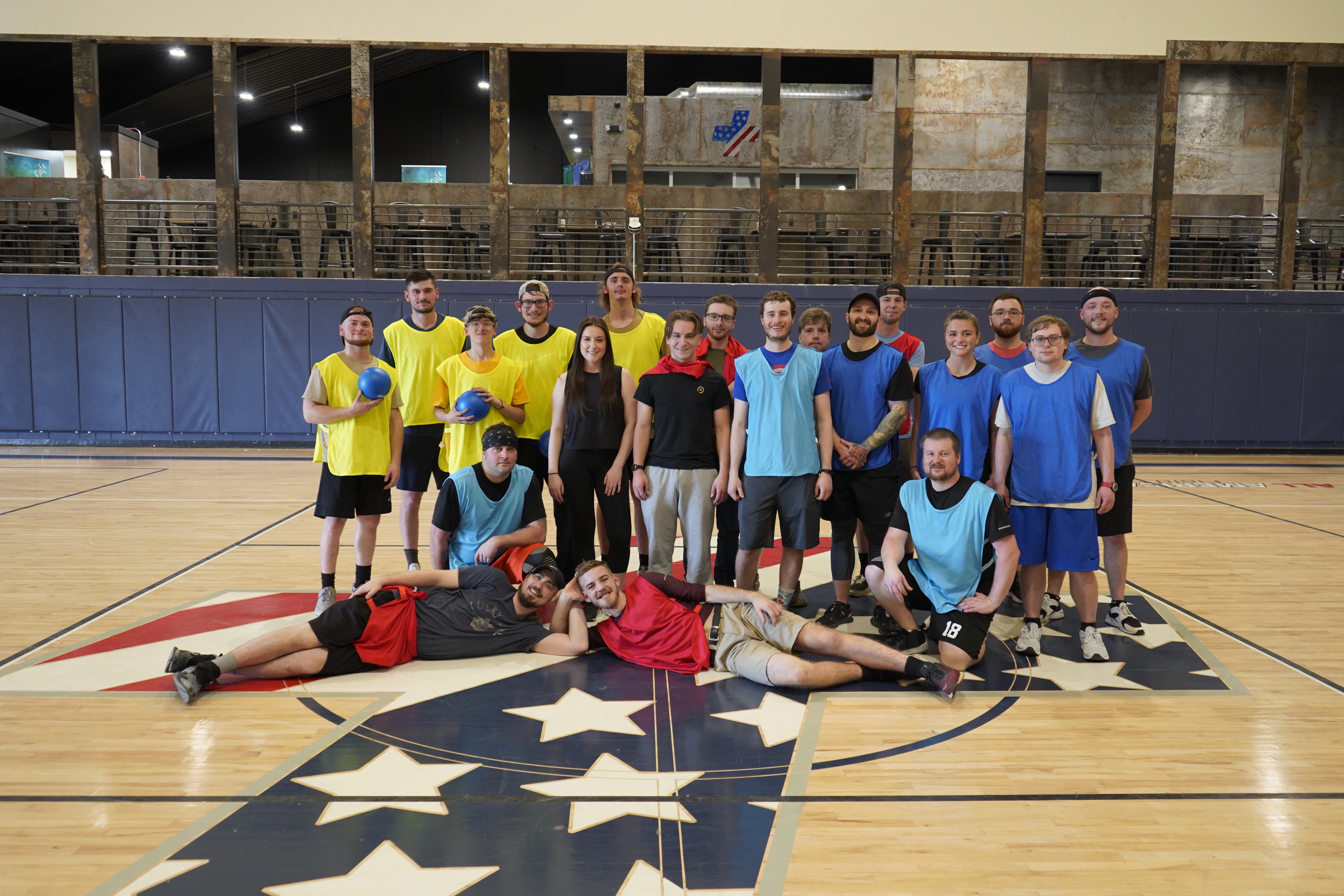
Premier Pro League: Camaraderie and Competition at All American Fieldhouse
Premier Automation’s Premier Pro League is the perfect mix of camaraderie and competition! This opportunity allows us to bring our team together at the All-American Fieldhouse for monthly sporting events. From dodgeball to ultimate frisbee and everything in between, our employees can unleash their competitive spirits while staying active and having fun with other Premier team members.
Premier Automation: A Unique Career Opportunity in the World of Electrical Work
Are you passionate about electrical work and looking for a fulfilling career? Premier Automation might just be the place for you! In this blog post, we'll explore the experiences and insights of five individuals - Dave, Connor, Lizzy, Keith, and Mike - who have found their calling at Premier Automation, a company that not only values its employees but also offers a wide range of career opportunities in the field of electrical work.
Higher level automation components such as PLC’s, Drives, and HMI’s communicate with each other through industrial networks. These allow them to pass more advanced data back and forth between them as opposed to a single true or false signal from a single wire. There are many different types of communications, types of hardware, and topologies that allow these networks to operate. The most common types of industrial networks are Ethernet IP, Profibus, and Profinet, but there are many others as well. Modbus, Ethercat, Canbus, and Controlnet are a few of the many other types that we see in applications.
For a robot to safely operate in an industrial setting, it needs appropriate guarding to protect both the operators from the equipment in the cell. It also protects the equipment from external forces that can damage it, or move devices from the taught positions they need to be in. These cells are not a barrier to keep the inside separated from the outside. Items that need worked on must enter the cell, get worked on, then exit in a safe manner to ensure operator safety, and efficiency of the process. To do this, both mechanical and electrical guarding components are designed and implemented together.
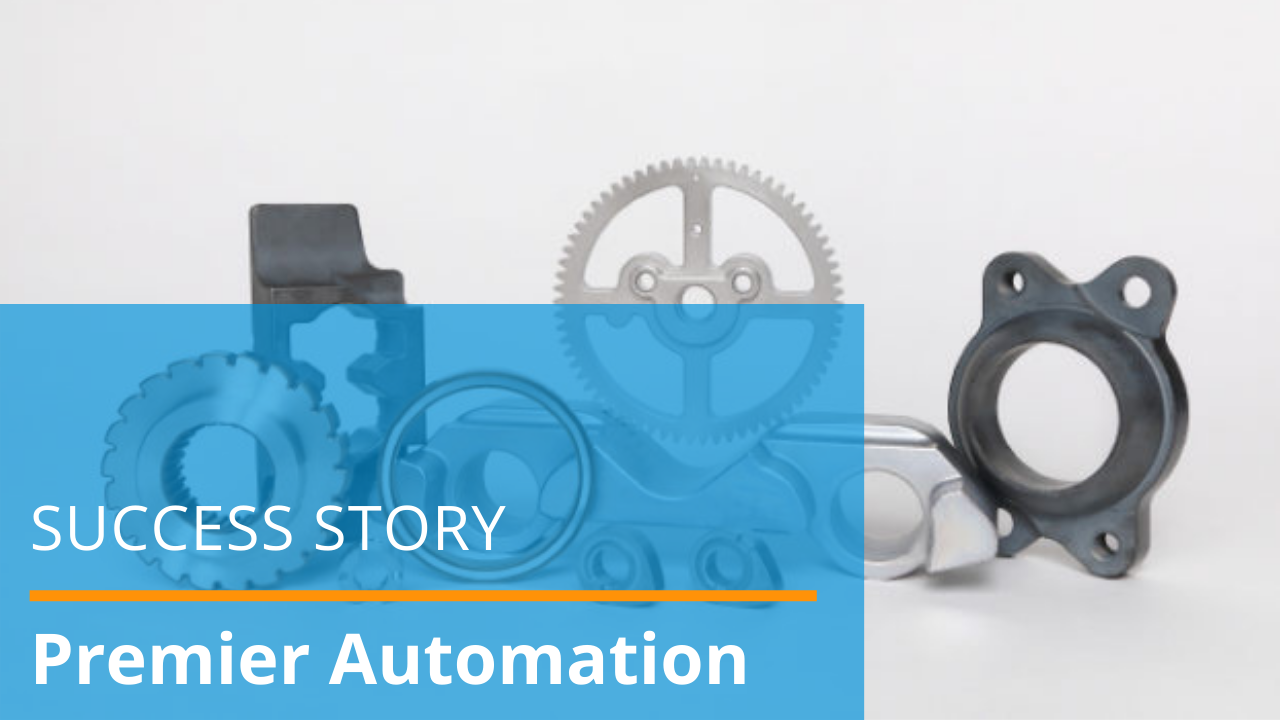
SUCCESS STORY: Premier Automation gets Robotic Workcell up and Running
What is the Problem?
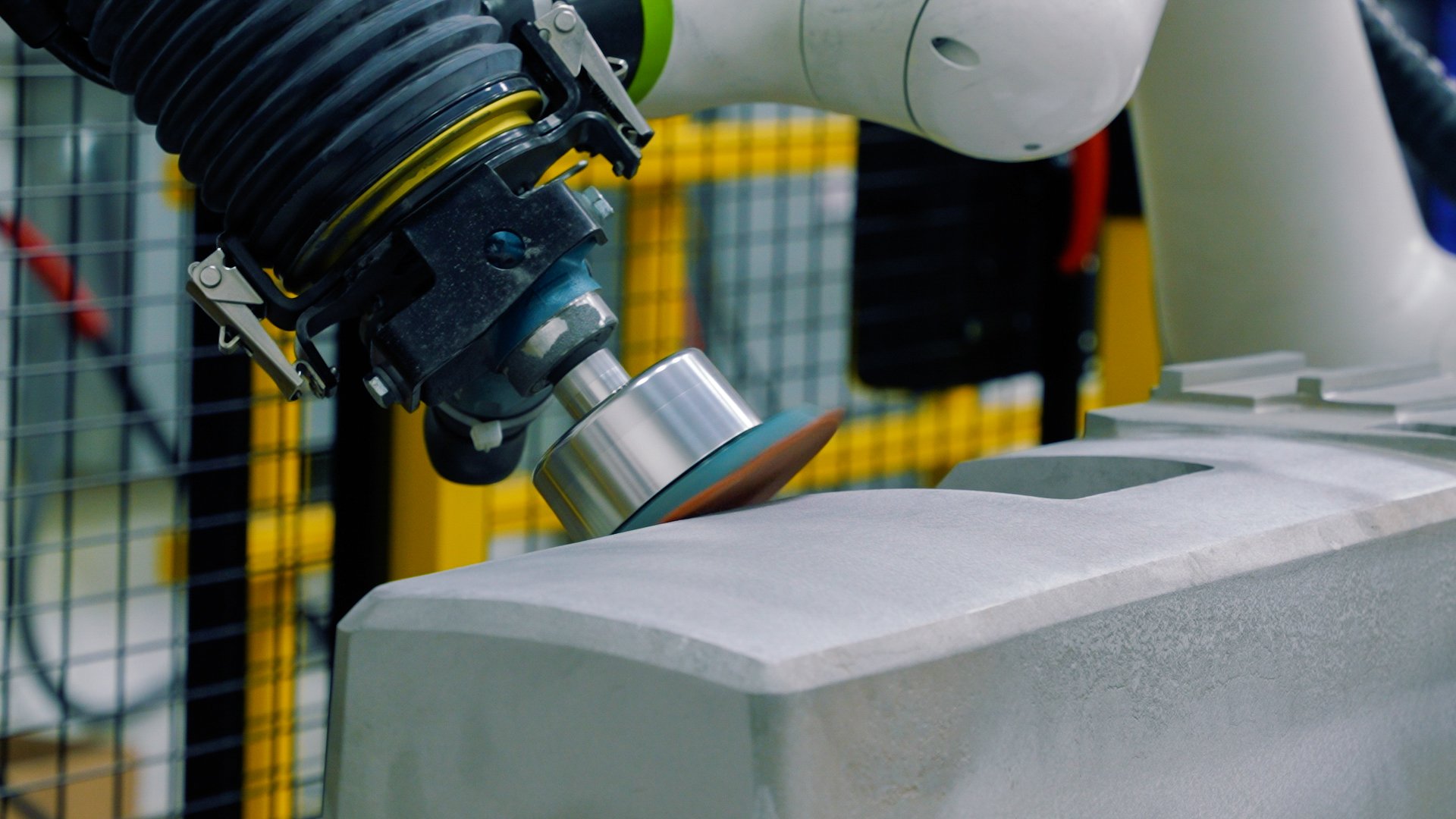
Harmony Castings is a job shop for cast aluminum parts. Several secondary operations are required after the casting process: gate and sprue cutting, heavy flash grinding, and surface finish grinding. Each operation is performed by an operator using hand-held equipment. This leads to strain from repetitive tasks, and increased labor.
SUCCESS STORY: Premier Automation Engineers Get Robotic Cell Up and Running!
Recently, one of Premier Automation’s Senior Automation Engineers visited a customer in Ridgway, PA to assist them with their A2 robotic cell machine. The machine was brought into the U.S. from an OEM in Germany that is no longer in business. Traditionally, German code writing can be complex, which led to subsequent challenges for the customer.
In addition, the system has a Siemens PLC with an FM357-2 module in it that was not functioning and needed to be replaced. These modules are not readily available—only from Siemens as a spare repaired unit. Once the module was replaced, it still needed to be configured, which not many people know how to do.
In conjunction with Siemens’ Hotline support, two of Premier Automation’s Senior Automation Engineers were able to determine the issues and get the machine back up and running. After several days of debugging and working through the code, Premier Automation was able to get the machine back into production.
To learn more, please visit premierautomation.com.
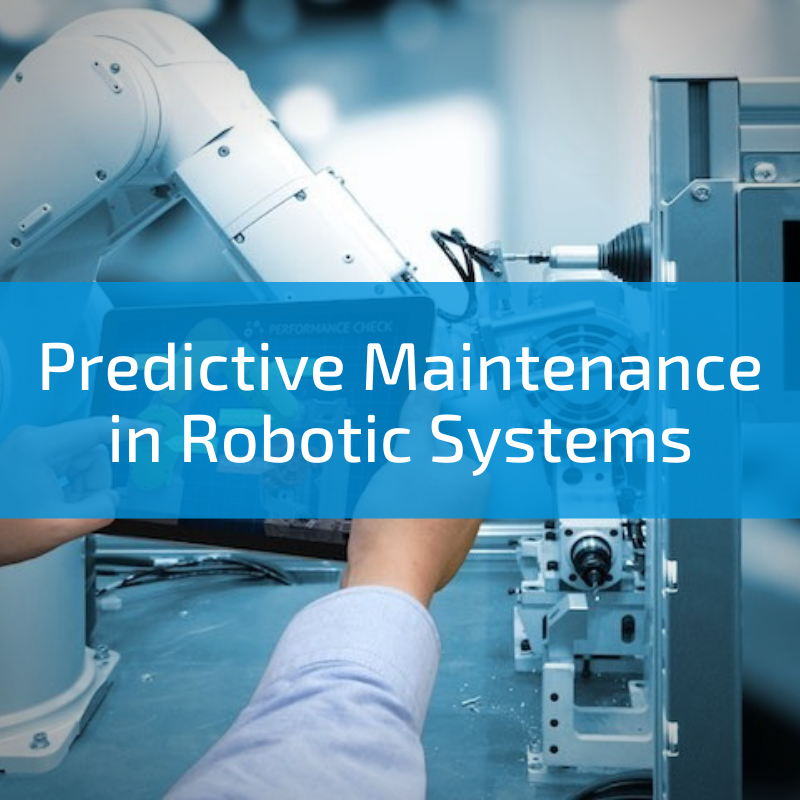
As Industry 4.0 is revolutionizing the manufacturing industry, robotics and automation are becoming more and more popular.
The factory of tomorrow is here today, and it’s here to stay. Robotic systems are typically able to work more effectively and efficiently than a fully human workforce. And if they can’t replace the standard workers entirely, bringing in a collaborative robot (cobot) can help a worker perform their job more effectively.
No matter how we look at it, robotic systems and automation in the factory are the way of the future. But what about maintenance? All these new robotic systems will need constant attention to ensure the system is working correctly and no parts are failing, right?
Of course they will!
Except... that process is also becoming automated itself, thanks to the advent of predictive maintenance in robotic systems.